are many differenttypes of forklifts, and I doubt you’ve never seen one before. But just as there is a wide variety of them, it’s also true that this is because they aren’t universally applicable—one type is better suited for some tasks, another for others.
Just imagine, for example, moving loads in a closed warehouse using a gasoline- or diesel-powered forklift. It wouldn’t be long before the employees were poisoned by the exhaust fumes.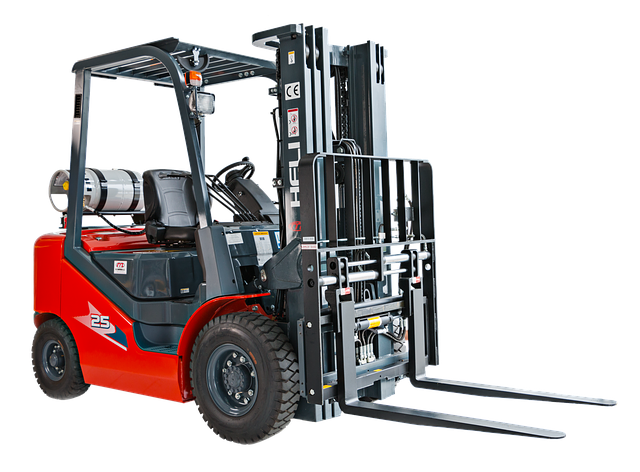
And conversely—what would they do on a remote construction site with an electric forklift if they had no way to “refuel” it there? Running a charging cable for miles would be impractical, to say the least.
Simply put, there’s a right fit for every situation. But among forklifts, the most versatile are undoubtedly the electric ones.
These forklifts began being manufactured here as well, back in the days of Czechoslovakia, and they are still produced today at the Kion company in the West Bohemian town of Ostrov u Stříbra. And not just for domestic users, but also for international ones—including those in Asia and the Americas. Because people everywhere need to lift things high.
The company in question produces about four to five thousand of these forklifts a year—roughly twenty-four a day—and these are by no means a single model, but rather a whole range of variants tailored specifically to each customer.
And there are plenty of customers! Just to name a few—industrial plants, foresters, farmers, and who knows who else. And each of them needs something a little different. Or perhaps even significantly different.
Customers put together the perfect solution for themselves from many options; for example, they have access to three mast types for lifting pallets, fourteen seat types, or even a camera system. They can choose from various lengths and power ratings for these machines, and various types of electronic assistance are available. Some of this is manufactured for customers by human hands, while other parts are handled by robots.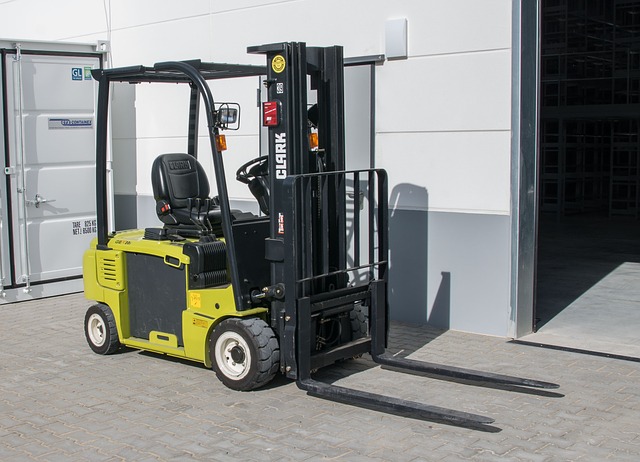
And once everything is ready, employees in warehouses and industrial facilities—as well as foresters and farmers—can drive these vehicles at speeds of up to 14 kilometers per hour. That might not seem like much, but when you consider that these machines operate in the confined spaces of warehouses or carry heavy loads over terrain that isn’t always ideal, it’s actually quite impressive.
And thanks to these carts, people don’t have to strain themselves as much when lifting and moving loads. Not even those working at the very bottom.