This power plant was originally named the Vladimir Ilyich Lenin Chernobyl Nuclear Power Plant. It is located approximately 110 km from Kyiv and 16 km from the border with Belarus. It was built 15 km from the city of Chernobyl—from which it took its name—right next to the Pripyat River. This river was essential for cooling the reactors. For the plant’s workers, the city of Pripyat was built 3 km from the plant; it was exceptionally well-equipped for its time, featuring a swimming pool, a school, a kindergarten, a hospital, and a fire station.
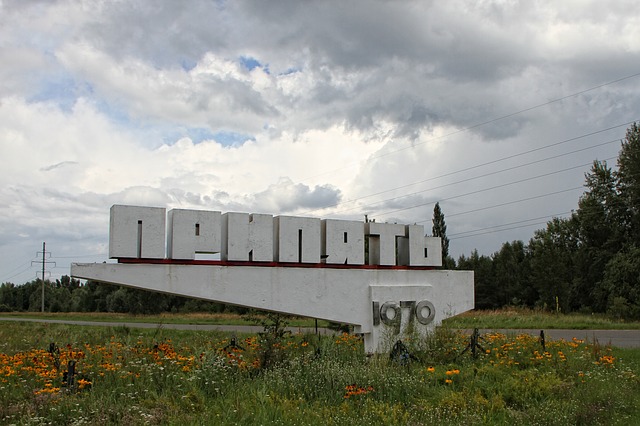
pomník černobylu

Construction of the plant began in 1970; it housed RBMK-type reactors. The reactor units began generating electricity in 1977, 1978, 1981, and 1983. In 1983, construction began on the fifth and sixth units, but their construction was halted in 1988. The plant’s operations were gradually phased out following the accident. The reactor that exploded—Unit 4—ceased operation in 1968; the second reactor was shut down following a fire in 1991; the first reactor operated until 1996; and the third reactor was shut down in 2000. The main reason was that the country was facing an electricity shortage, which is why operations continued for another 22 years after the accident at the plant’s fourth unit.

On April 26, 1968, it was the site of the worst nuclear disaster of that time. A sarcophagus was built over the reactor core in 1986, but it was constructed very hastily and began to deteriorate. Therefore, between 2010 and 2019, a mobile shelter was constructed, rising 108 meters above the ground and designed to last another 100 years. During this time, they hope to “clean up” the fourth reactor and the melted fuel. Since 2018, a 1-MW solar power plant operated by Solar Chernobyl has been in operation near Chernobyl.
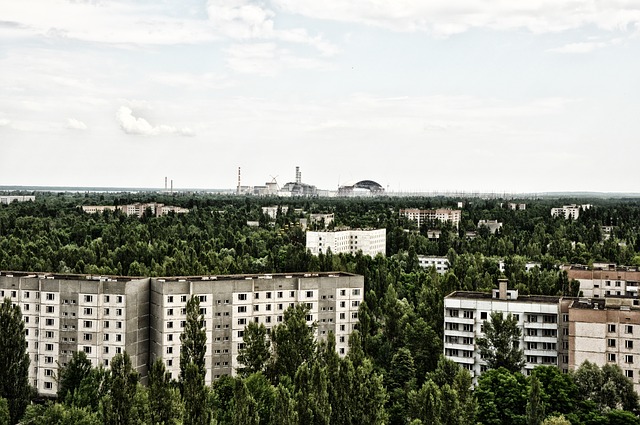
sídliště černobyl

It hasn’t even been a day since I finished watching HBO’s new miniseries CHERNOBYL. I’ve already seen many documentaries about this disaster, but I was still curious to see what the series would show. I found many critiques and reviews, but I didn’t want to read any of them until I’d formed my own opinion of the series. It’s true that there are certain inconsistencies. The creators of this series weren’t so much concerned with the accuracy of the accident as they were with capturing the atmosphere that prevailed there. It’s terrifying in and of itself when you see, at the beginning, people walking onto the bridge and admiring the glow emanating from the reactor after the explosion, and children playing in the fallen ash. Even the trial of Bryukhanov, Datlov, and Fomin lasted longer and received much more attention than it does in this series. As for the fictional characters, these are Zharkov and Khomyukova, though the latter represented the scientists who arrived in Chernobyl after the accident as part of scientist Legasov’s support team. This film also illustrates the status of women at that time; a woman could easily have been a nuclear expert—in this regard, the USSR was ahead of other countries. Even the helicopter that crashed while flying over the reactor is slightly adapted to the atmosphere. Although it’s true that it did crash—but much later, when they were already building the concrete sarcophagus around the reactor—its propeller got caught in the crane’s cables.

If you’re interested in this topic, I highly recommend it.


This power plant was originally named the Vladimir Ilyich Lenin Chernobyl Nuclear Power Plant. It is located approximately 110 km from Kyiv and 16 km from the border with Belarus. It was built 15 km from the city of Chernobyl—from which it took its name—right next to the Pripyat River. This river was essential for cooling the reactors. For the plant’s workers, the city of Pripyat was built 3 km from the plant; it was exceptionally well-equipped for its time, featuring a swimming pool, a school, a kindergarten, a hospital, and a fire station.
pomník černobylu

Construction of the plant began in 1970; it housed RBMK-type reactors. The reactor units began generating electricity in 1977, 1978, 1981, and 1983. In 1983, construction began on the fifth and sixth units, but their construction was halted in 1988. The plant’s operations were gradually phased out following the accident. The reactor that exploded—Unit 4—ceased operation in 1968; the second reactor was shut down following a fire in 1991; the first reactor operated until 1996; and the third reactor was shut down in 2000. The main reason was that the country was facing an electricity shortage, which is why operations continued for another 22 years after the accident at the plant’s fourth unit.

On April 26, 1968, it was the site of the worst nuclear disaster of that time. A sarcophagus was built over the reactor core in 1986, but it was constructed very hastily and began to deteriorate. Therefore, between 2010 and 2019, a mobile shelter was constructed, rising 108 meters above the ground and designed to last another 100 years. During this time, they hope to “clean up” the fourth reactor and the melted fuel. Since 2018, a 1-MW solar power plant operated by Solar Chernobyl has been in operation near Chernobyl.

sídliště černobyl

It hasn’t even been a day since I finished watching HBO’s new miniseries CHERNOBYL. I’ve already seen many documentaries about this disaster, but I was still curious to see what the series would show. I found many critiques and reviews, but I didn’t want to read any of them until I’d formed my own opinion of the series. It’s true that there are certain inconsistencies. The creators of this series weren’t so much concerned with the accuracy of the accident as they were with capturing the atmosphere that prevailed there. It’s terrifying in and of itself when you see, at the beginning, people walking onto the bridge and admiring the glow emanating from the reactor after the explosion, and children playing in the fallen ash. Even the trial of Bryukhanov, Datlov, and Fomin lasted longer and received much more attention than it does in this series. As for the fictional characters, these are Zharkov and Khomyukova, though the latter represented the scientists who arrived in Chernobyl after the accident as part of scientist Legasov’s support team. This film also illustrates the status of women at that time; a woman could easily have been a nuclear expert—in this regard, the USSR was ahead of other countries. Even the helicopter that crashed while flying over the reactor is slightly adapted to the atmosphere. Although it’s true that it did crash—but much later, when they were already building the concrete sarcophagus around the reactor—its propeller got caught in the crane’s cables.

If you’re interested in this topic, I highly recommend it.