Everyone has a different idea of what this term means. For some, it’s a torment; for others, a pleasure. Some see it merely as a tedious routine—the act of purchasing strictly necessary items, such as personal hygiene products or food.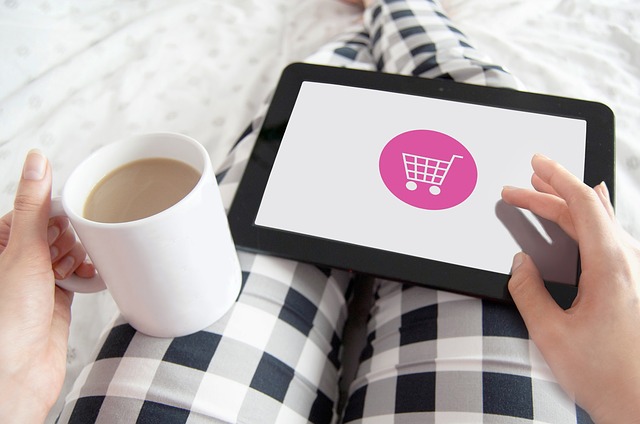
For others—and not just women, as today’s society tends to believe—shopping brings a certain sense of happiness. Some people use it to lift their spirits, and there are even cases of shopping addiction.
This addiction has become most prevalent in modern times and acts as a kind of drug for those affected. Such behavior, of course, brings with it several problems that cannot be taken lightly. For one thing, it takes up a lot of time; being unable to shop causes them anxiety; and, last but not least, such individuals may face serious financial problems. Specifically, we’re talking about approximately five to ten percent of the entire population.
But even financial problems won’t deter these people. If their addiction were to be denied, they could develop serious psychological problems; therefore, a simple ban is not the solution. A shopaholic may find themselves constantly borrowing more and more money to buy unnecessary items they don’t even need. This, of course, leads to further problems that can ultimately result in personal bankruptcy.
The danger of this addiction lies in the new ability to purchase an overwhelming number of packages that can be shipped anywhere in the Czech Republic, making it easier to hide the purchased goods from those around them. Furthermore, the internet is teeming with pop-up ads that are hard to resist. They constantly surround us and pressure us to buy as much as possible—which, for these people, can be like an advertisement for drugs—and unfortunately, this sometimes has devastating consequences.
Addiction, or shopaholism, is a genuine mental disorder that must not be confused with mere vice; when symptoms appear, it must be treated, otherwise it could lead to a devastating downfall.